Why Modern Static Websites Are a Smarter Choice in the Age of AI
As AI accelerates the discovery of security vulnerabilities, simpler website technology can help businesses reduce their exposure.
Rafael Cortes
www.YourNext.website · Blog
Guides to website performance, security, accessibility, and technology for small businesses.
Subscribe via RSS →As AI accelerates the discovery of security vulnerabilities, simpler website technology can help businesses reduce their exposure.
Rafael Cortes
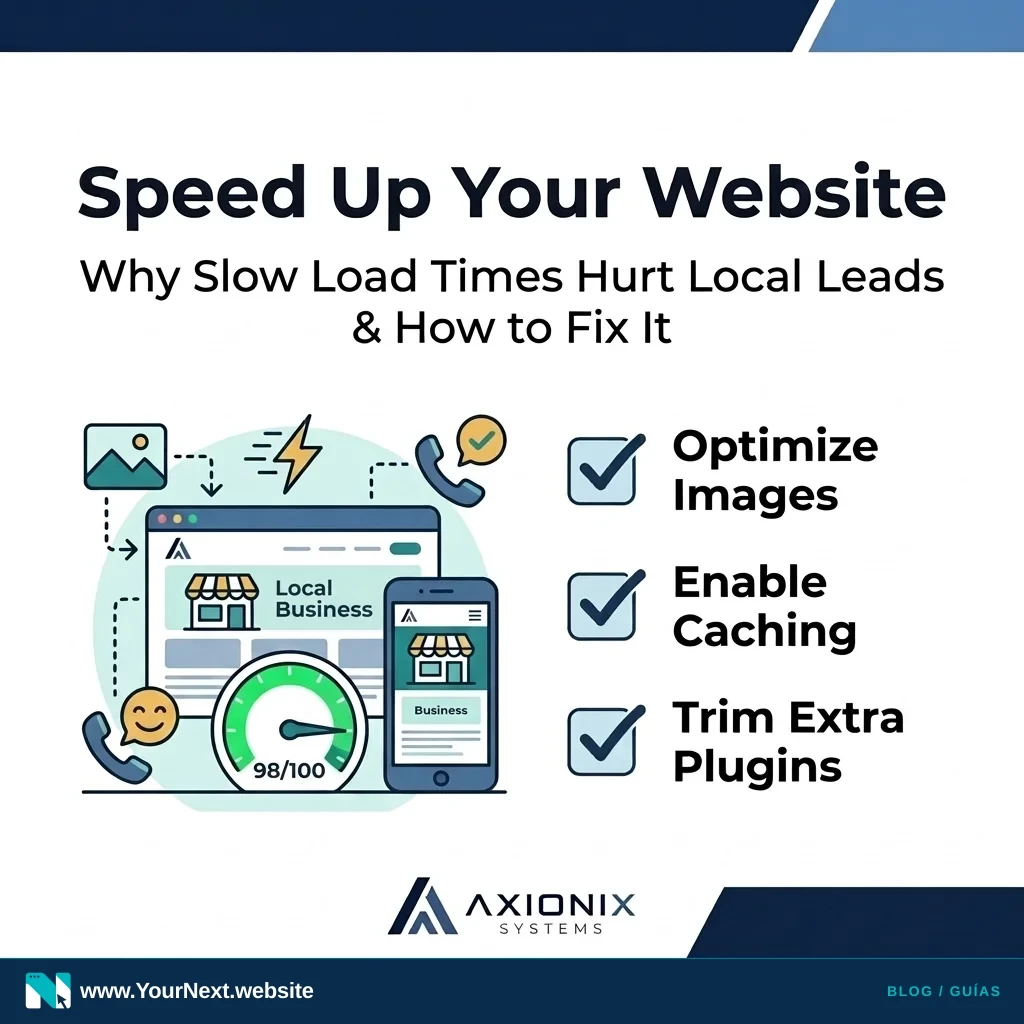
In today's fast-paced world, attention spans are shorter than ever. For small and medium businesses—especially those relying on local customers—a slow-loading website isn't just an inconvenience; it's a silent killer of leads and sales. Imagine a potential customer searching for your services on their phone while on the go. If your site takes more than a few seconds to appear, they're likely to hit the back button and call a competitor.
Rafael Cortes
Few things are more frustrating for a small business owner than hearing a client say, "I never received your quote," only to discover it was sitting in their junk folder. When your invoices, proposals, and customer updates don't reach the primary inbox, deals stall and payments get delayed. Fortunately, email deliverability isn't a mystery—it comes down to a few foundational technical records that prove your identity.
Rafael Cortes
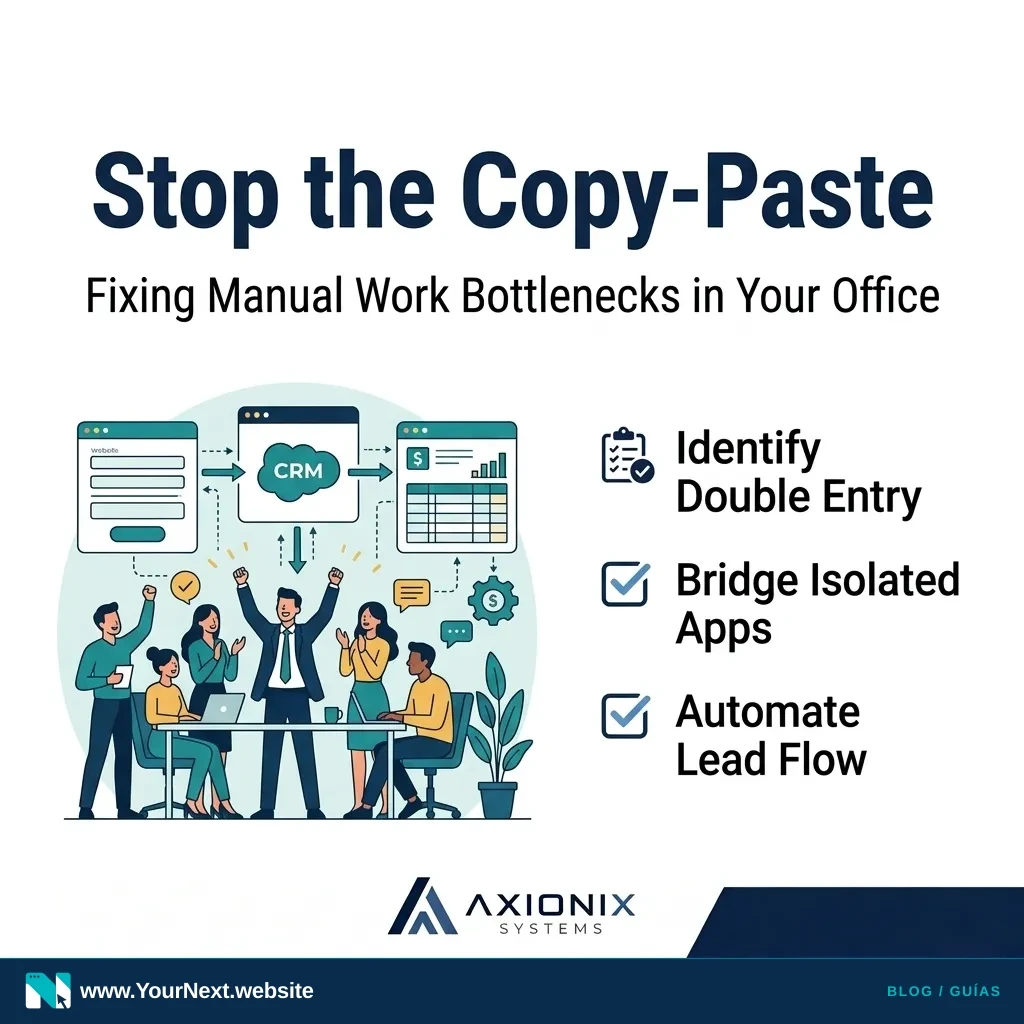
In many small businesses, there is a hidden tax on productivity that doesn’t show up on a balance sheet. It’s the "copy-paste tax." It happens every time an office manager takes a name from a website contact form and manually types it into an Excel sheet, or when a business owner has to manually create an invoice in QuickBooks because their scheduling app doesn't talk to their accounting software.
Rafael Cortes
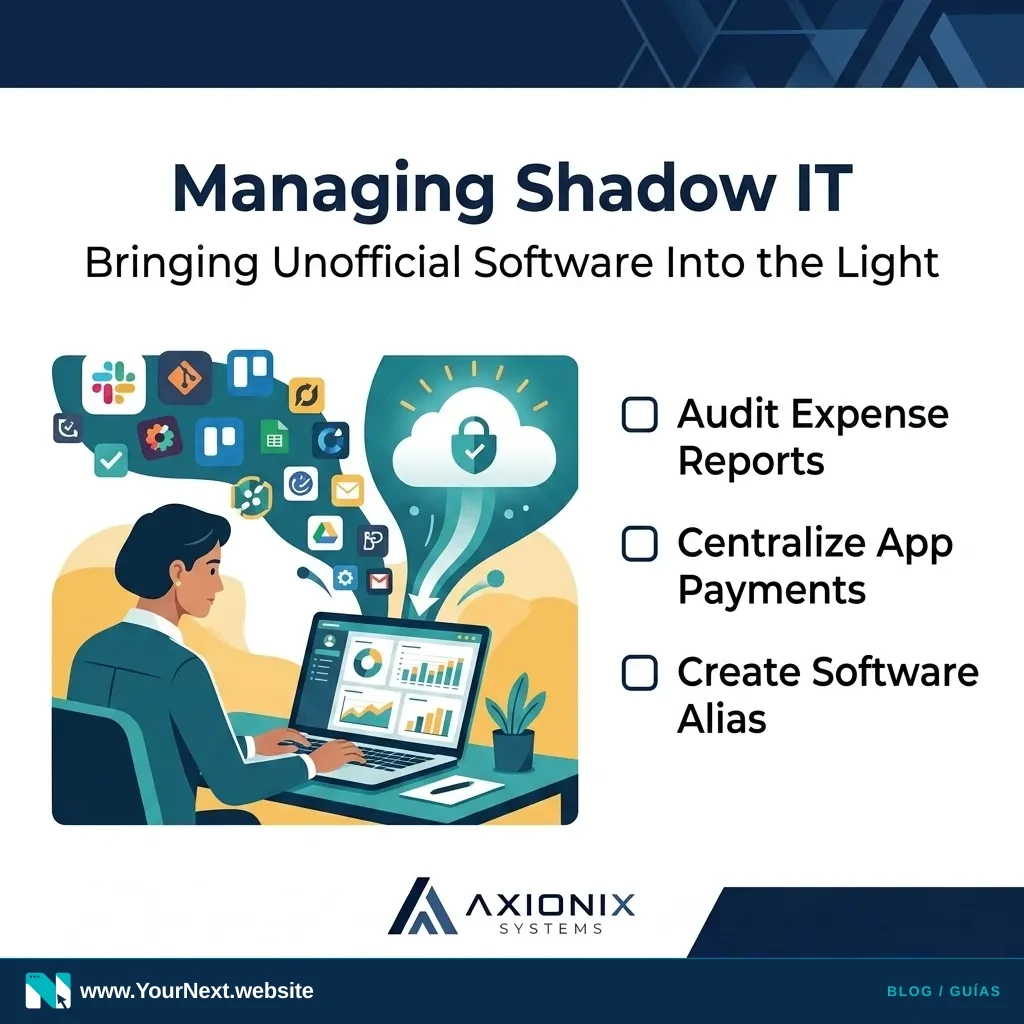
In most small businesses, "Shadow IT" isn’t a malicious conspiracy. It usually looks like a helpful employee buying a $15-a-month PDF editor or a social media scheduling tool on their personal credit card because they needed to get a project done quickly. They expense the cost, the work gets finished, and everyone is happy.
Rafael Cortes
When most small business owners hear the term "web accessibility" or "WCAG compliance," they often think of complex legal requirements or expensive technical overhauls. In reality, digital accessibility is much simpler: it’s about ensuring that as many people as possible can use your website, regardless of how they navigate the internet.
Rafael Cortes
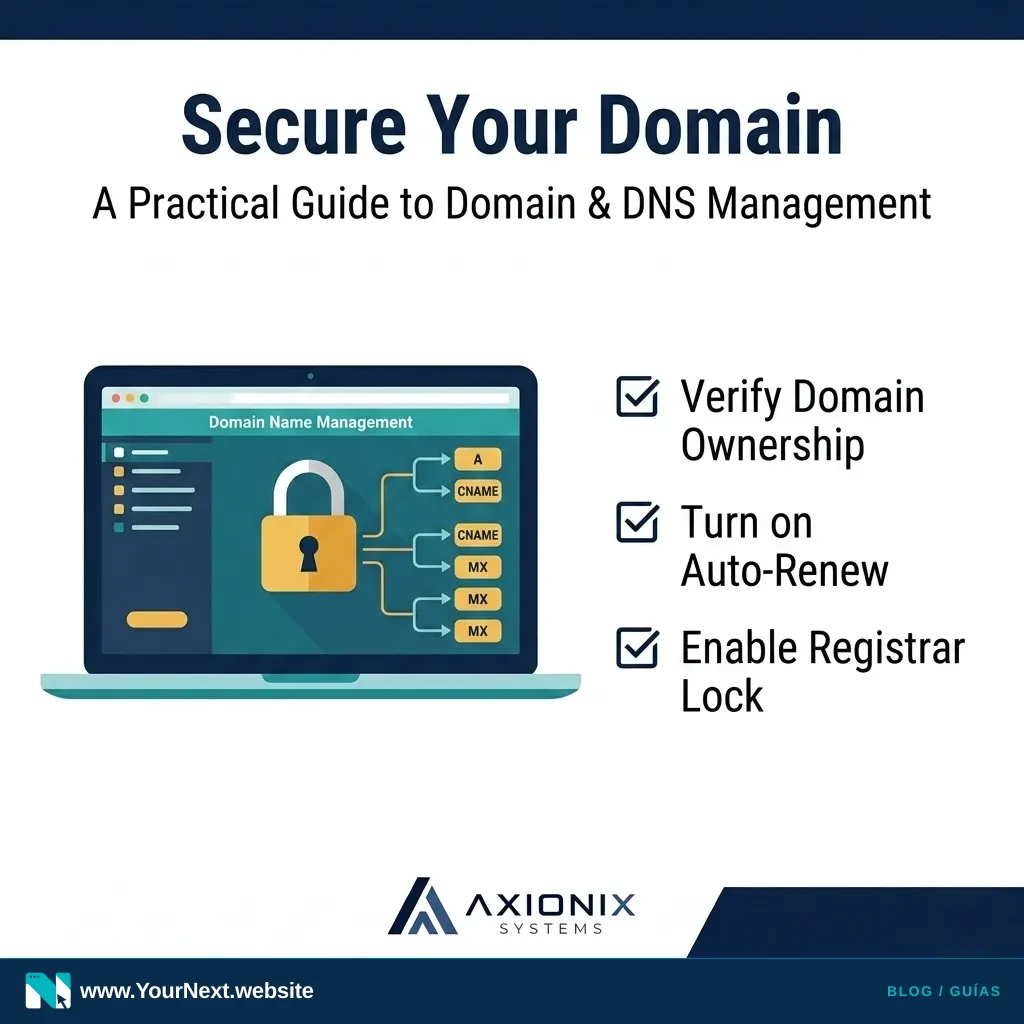
For most small business owners, your domain name (like yourbusiness.com ) is the most valuable piece of digital real estate you own. It is the foundation of your website, your professional email, and your brand’s credibility. Yet, for many, the management of that domain is a mystery—often left in the hands of a former employee, a distant relative, or an agency you stopped working with years ago.
Rafael Cortes
When business owners think about improving their website sales, they usually focus on copywriting, new photography, or adding a flashing "Buy Now" button. But there is a silent sales-killer that most companies ignore: page load speed.
Axionix Systems
For many small businesses, a website is treated like a digital business card. It displays your hours, lists your services, and shows your email address or phone number. But if customers still have to pick up the phone, write an email, or wait for a callback just to schedule an appointment or pay an invoice, you are adding friction to their experience.
Rafael Cortes
Every growing small business eventually needs help from the outside. Whether it is a freelance bookkeeper, a marketing agency running your ads, or a web developer fixing a bug, you will eventually have to "hand over the keys" to your digital accounts.
Axionix Systems
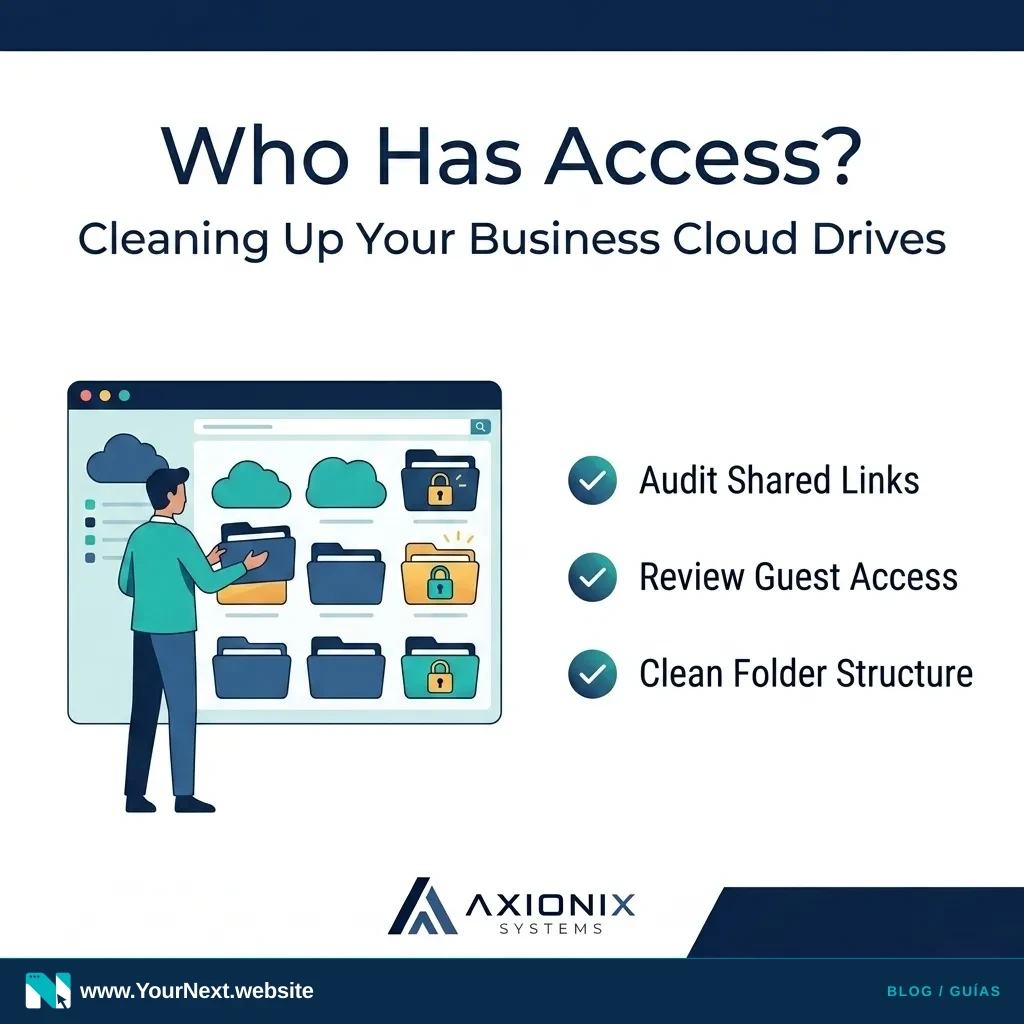
In the early days of a business, sharing files is all about speed. You create a folder in Google Drive, OneDrive, or Dropbox, and you share it with everyone who needs to help. It’s efficient and it works. But as your business grows, those shared folders often become a "digital junk drawer" with security holes you can’t see.
Rafael Cortes
When a small business owner launches a website, it is usually a moment of relief. The project is finished, the design is live, and you can get back to serving customers. But here is the catch: a website is not a static sign in a window. It runs on a rapidly evolving internet where design trends change, web browsers get updated, and security standards tighten every year.
Rafael Cortes
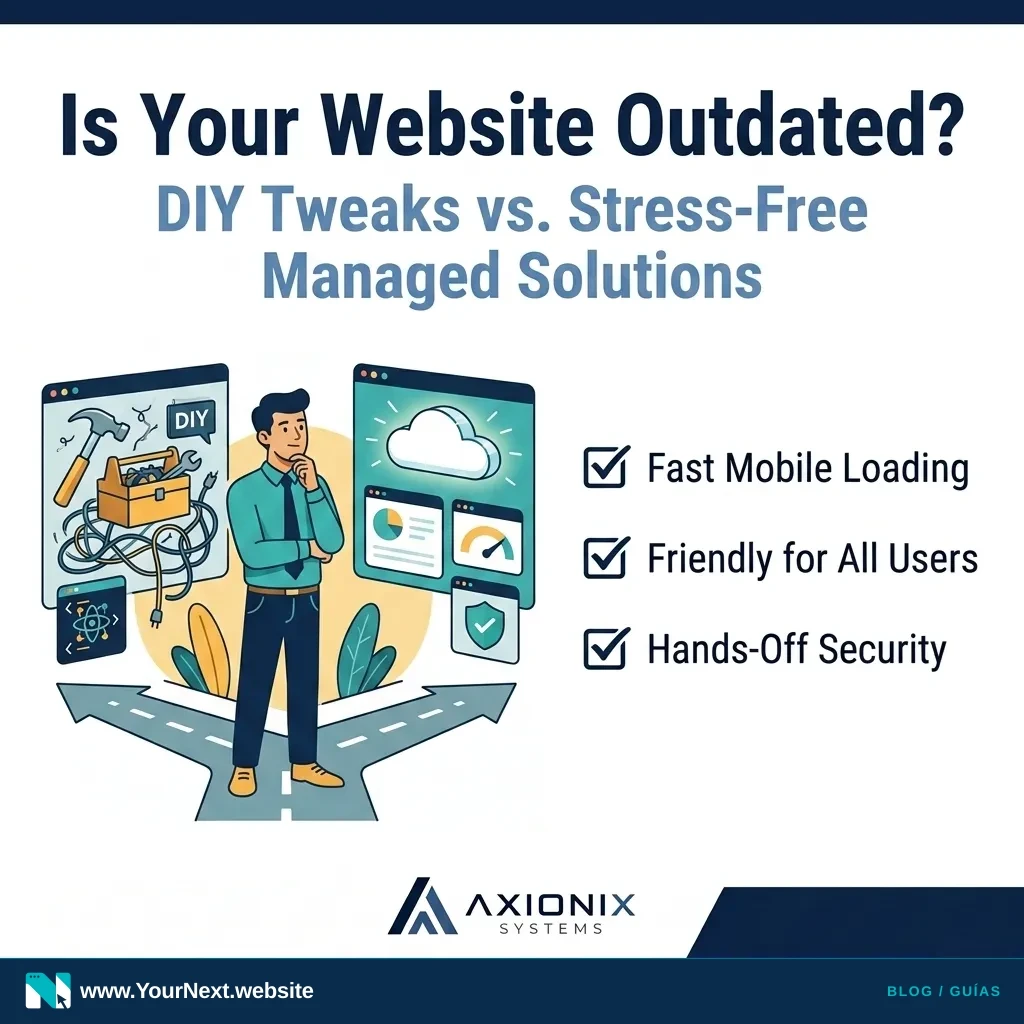
For many small businesses, building a website is seen as a one-time project. You hire a developer, launch the site, and then check it off your to-do list for the next five years. However, a website is not a static brochure; it is a live piece of software running on a rapidly changing internet.
Rafael Cortes
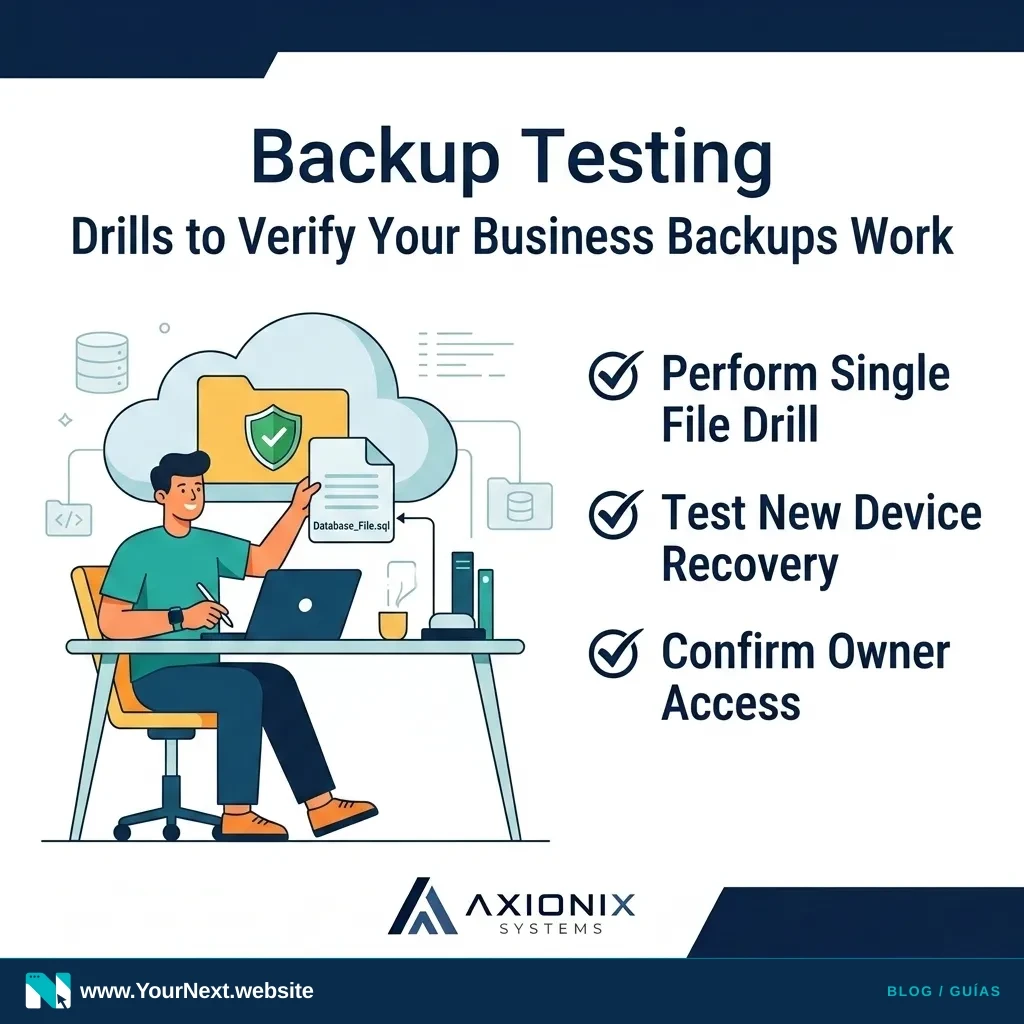
Most small business owners sleep better at night knowing their "backups are running." We see the green checkmark on the software or the monthly confirmation email, and we assume we are protected. However, in the world of practical technology, a backup that hasn't been tested is merely a suggestion.
Rafael Cortes
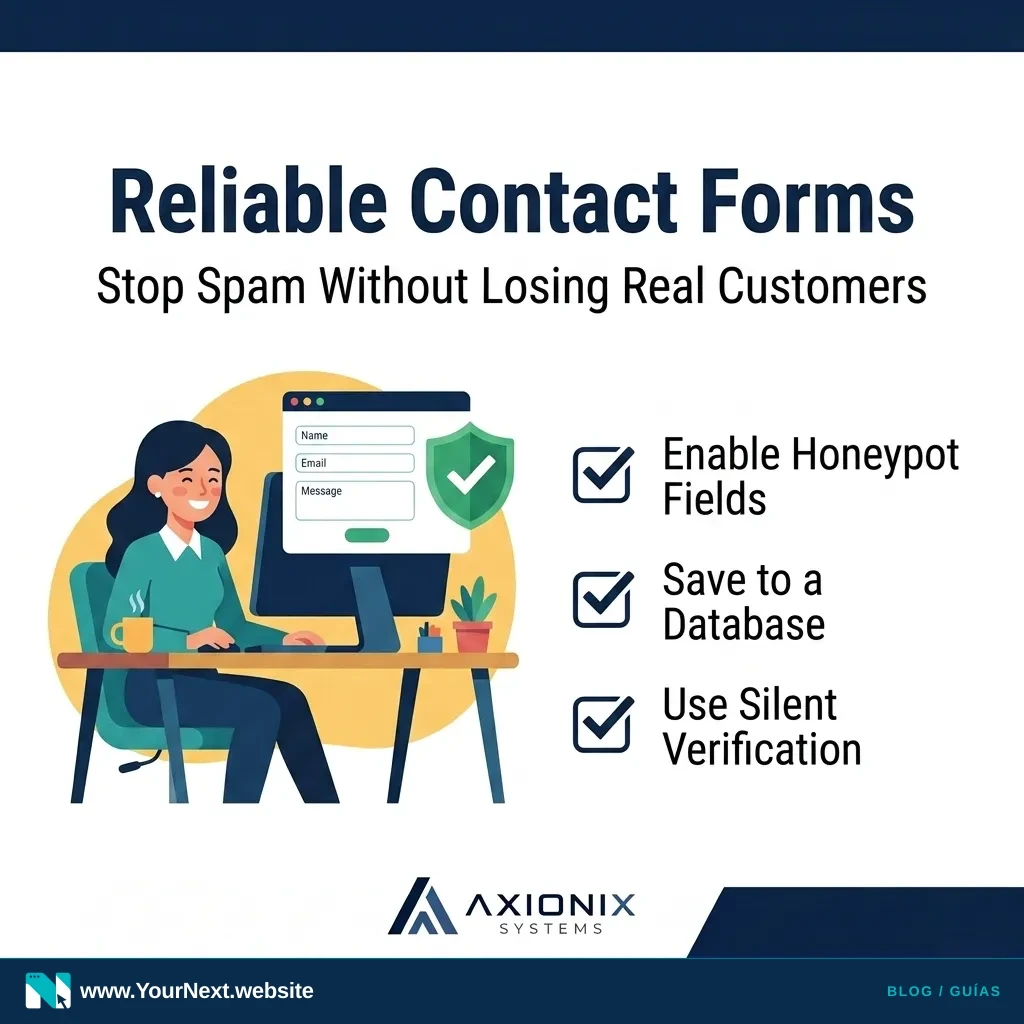
For most small businesses, the contact form is the digital equivalent of a front door. When a potential customer fills it out, they are extending a hand. However, for many owners, that "door" is either stuck, letting in too much "noise" (spam), or worse, completely broken without anyone realizing it.
Rafael Cortes
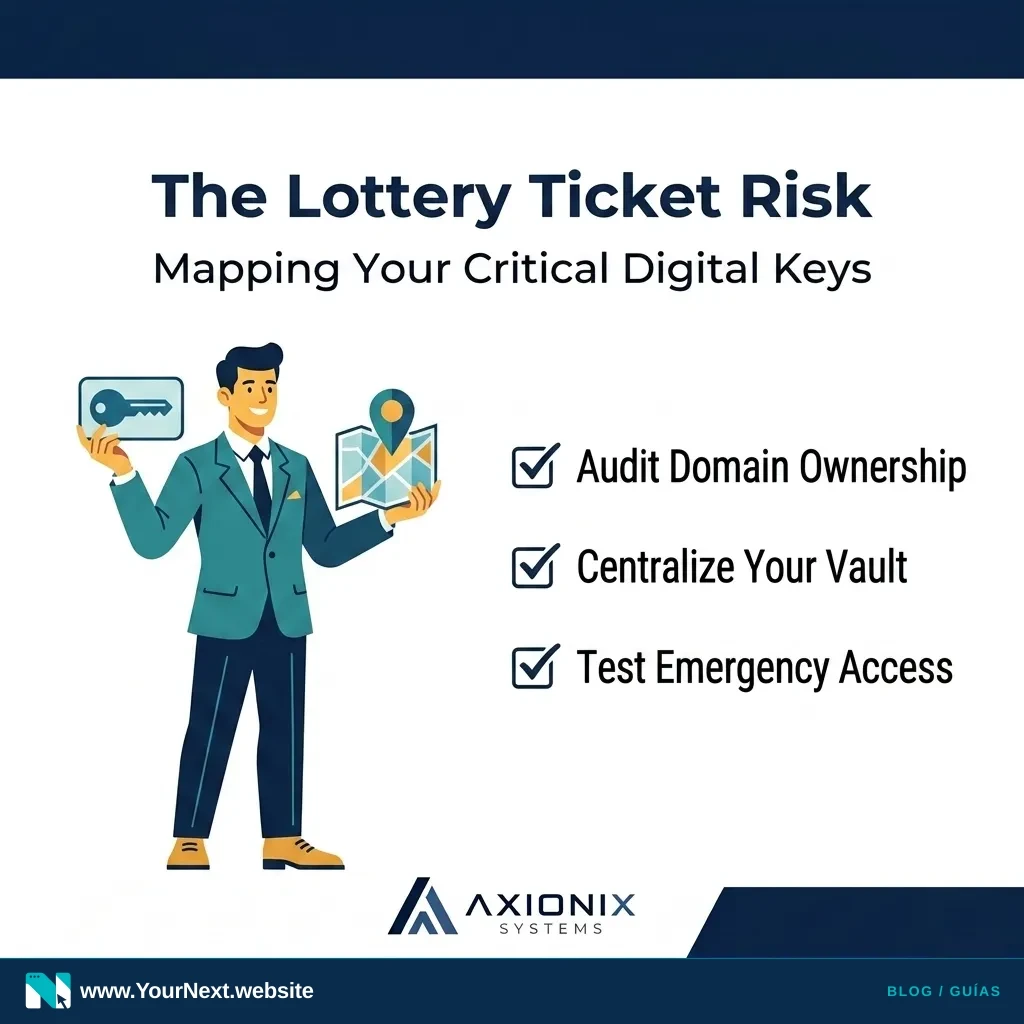
In the world of IT, developers often talk about the "Bus Factor"—the number of people who would need to be hit by a bus before a project stalls. For small business owners, we prefer a much more optimistic, but equally disruptive scenario: The Lottery Ticket.
Rafael Cortes
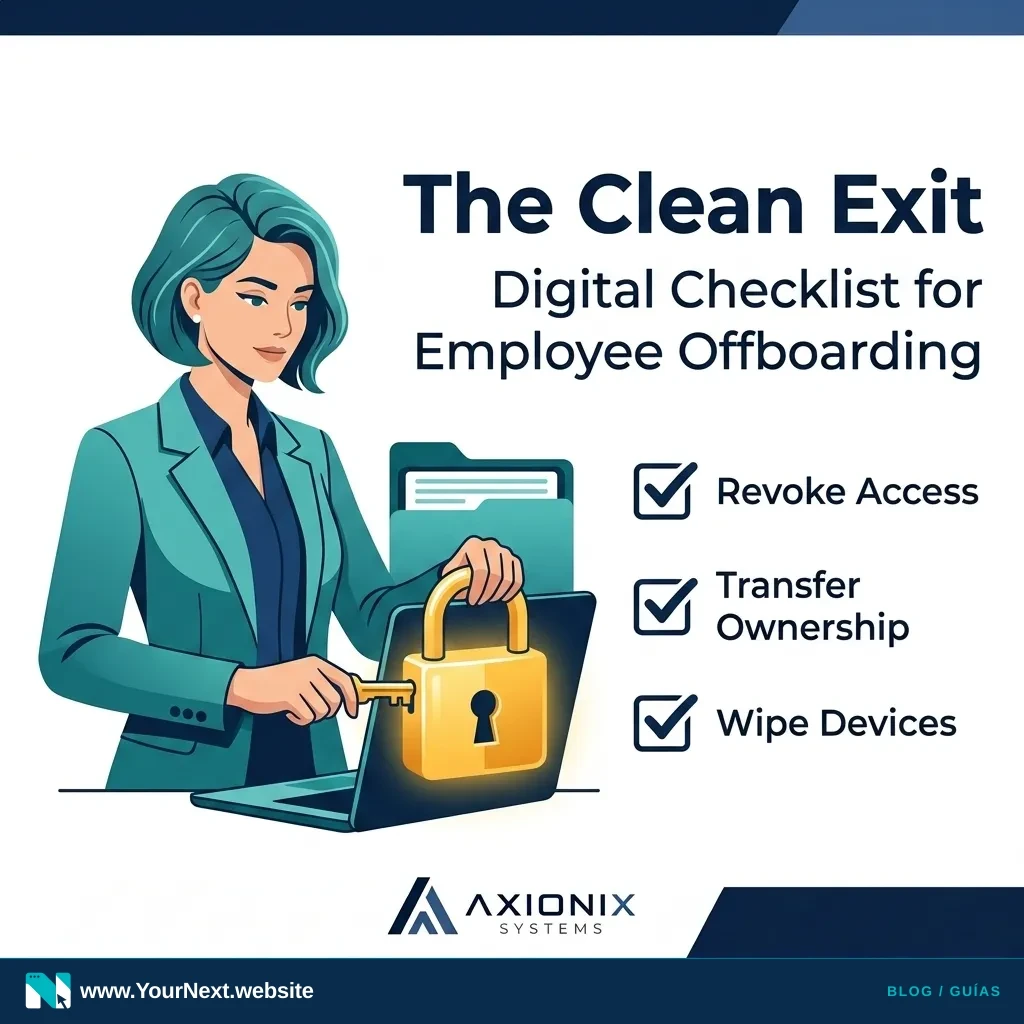
Managing how an employee leaves your business is just as important as how they start. Here is how to handle the digital handoff.
Rafael Cortes
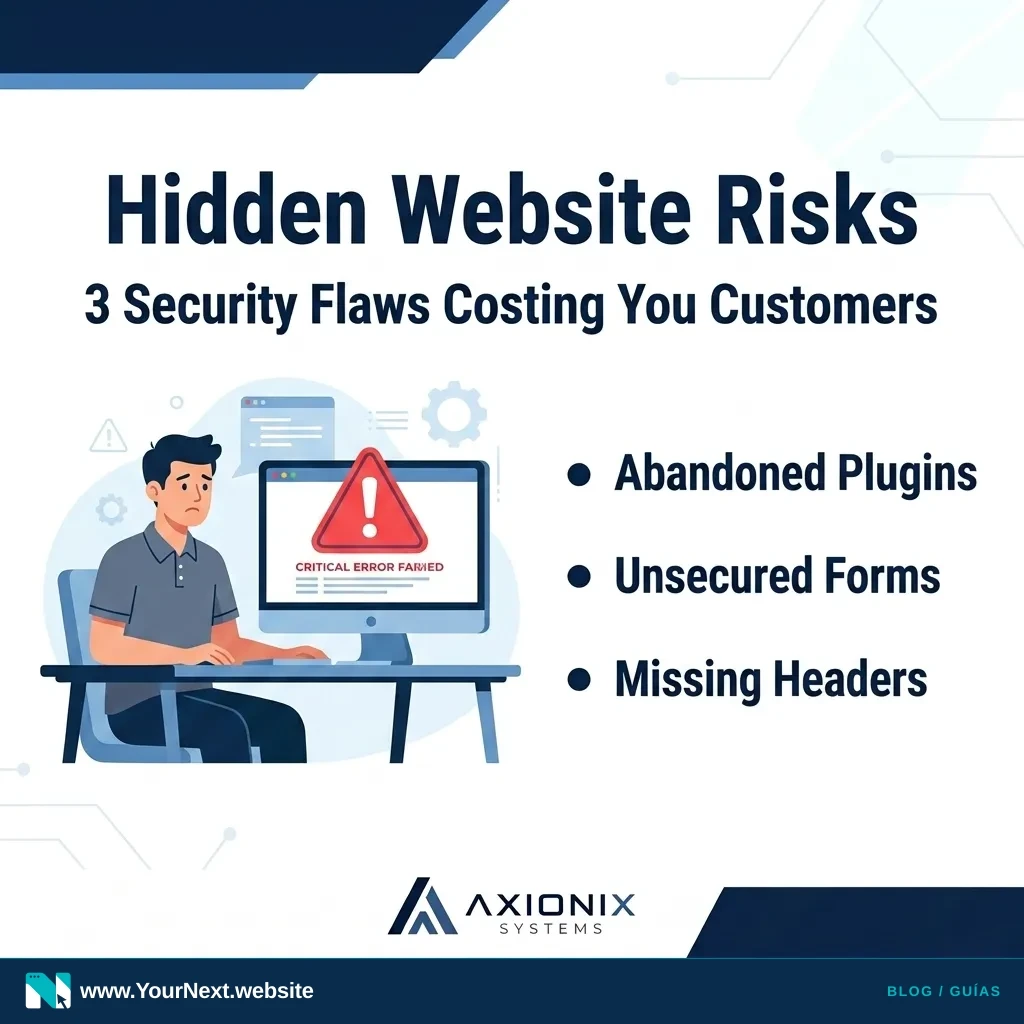
Your website might be leaking data or turning away customers without you knowing. Learn the top three hidden risks and how to find them.
Rafael Cortes
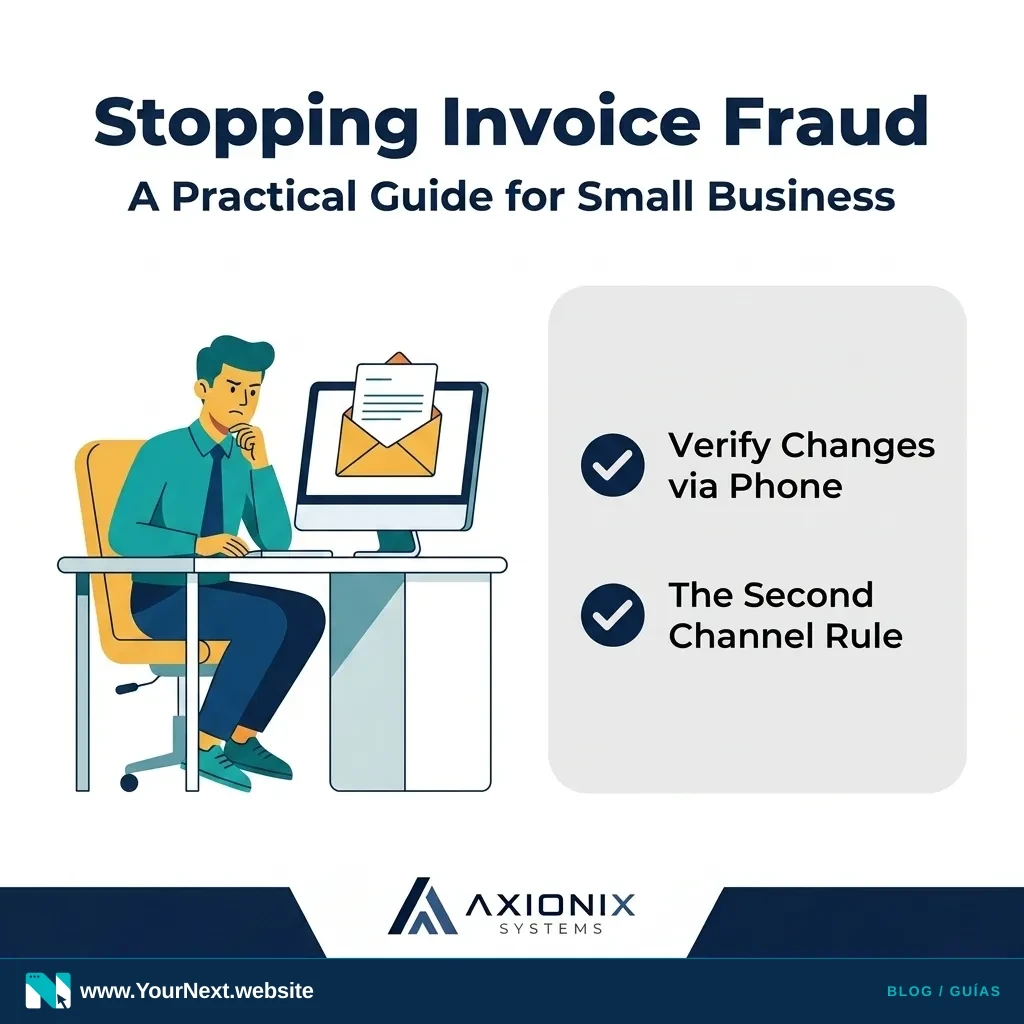
Protect your business from the most common way small companies lose money: fraudulent payment requests.
Rafael Cortes
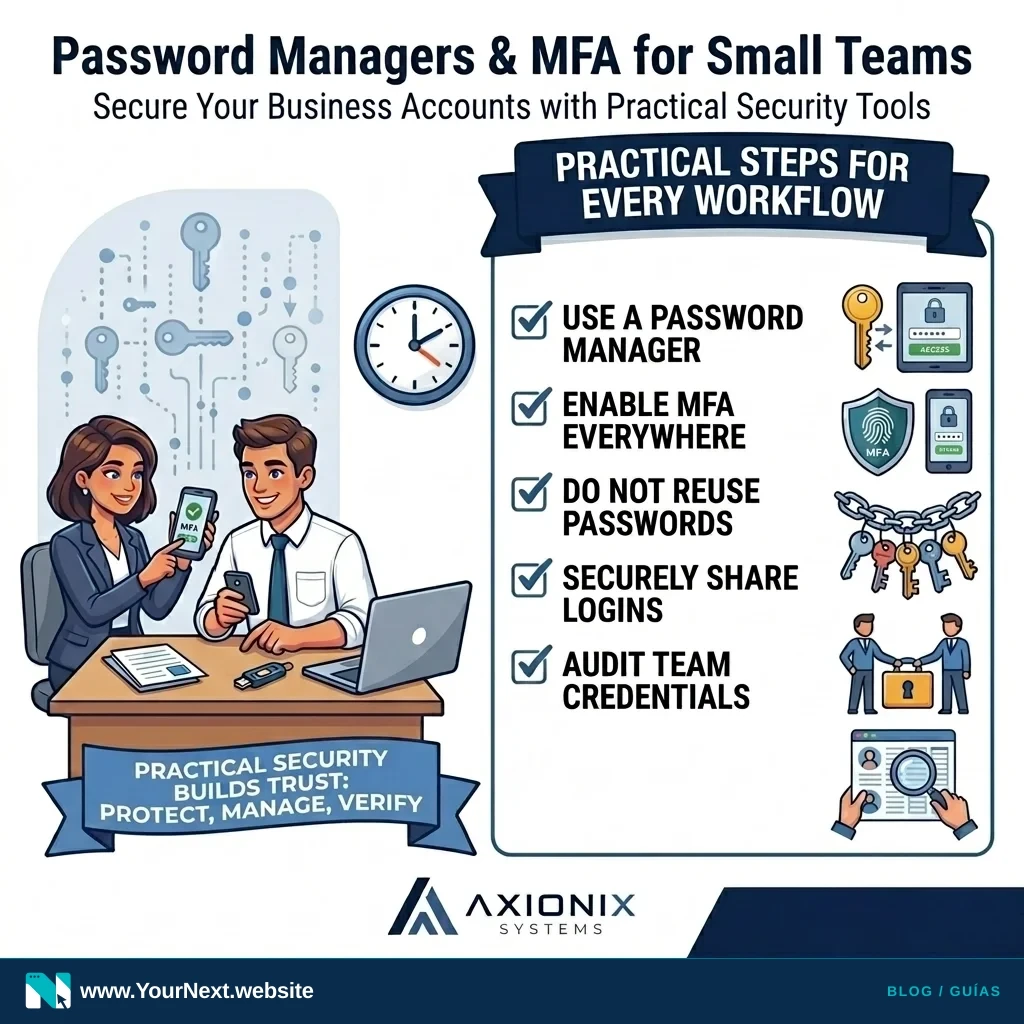
Improve your small business cybersecurity with practical steps: implementing password managers and Multi-Factor Authentication (MFA). Learn why they're crucial and how to get started.
Rafael Cortes
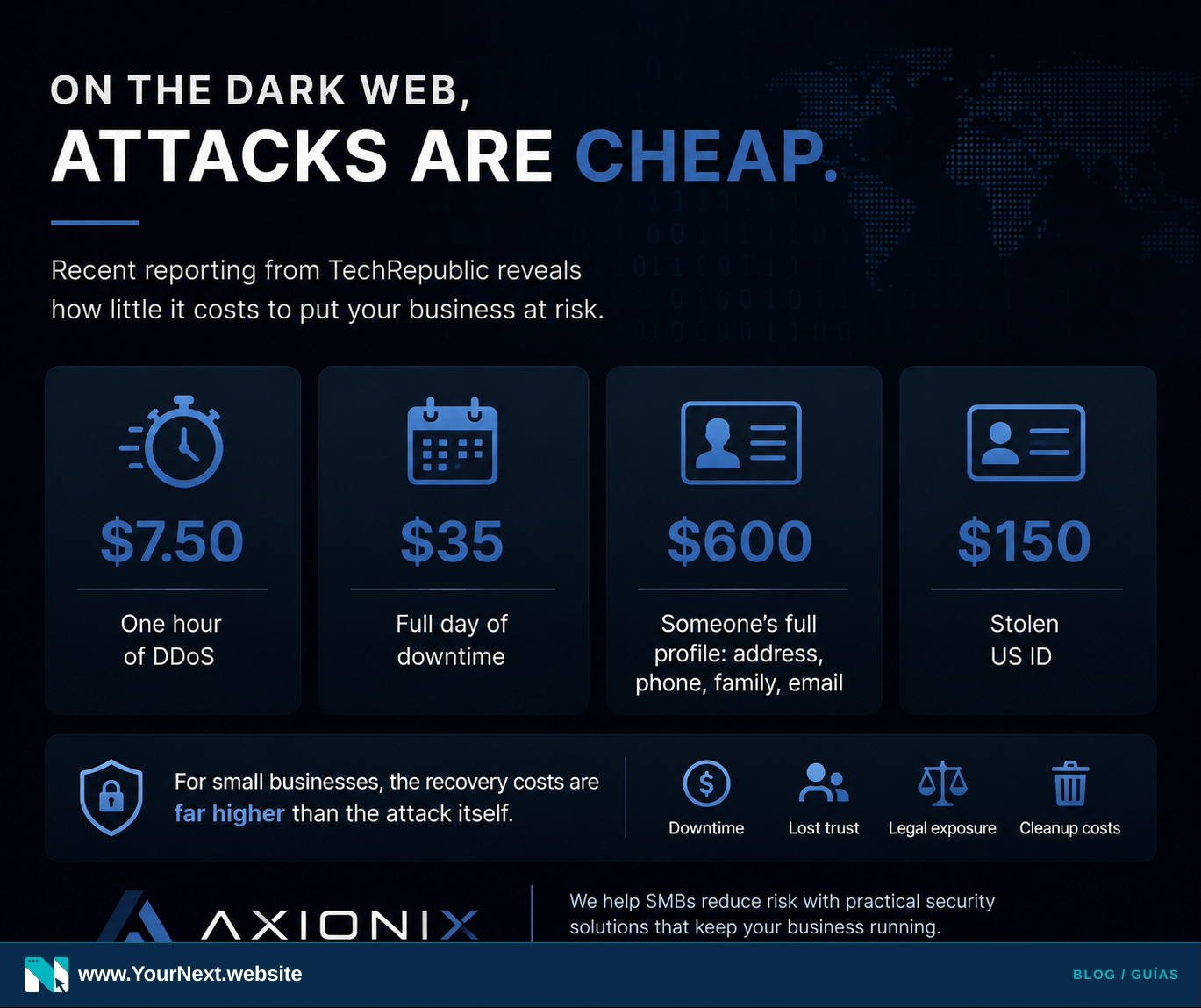
Automated digital disruptions are cheaper and more common than most business owners think, but a few practical steps can protect your operations.
Rafael Cortes
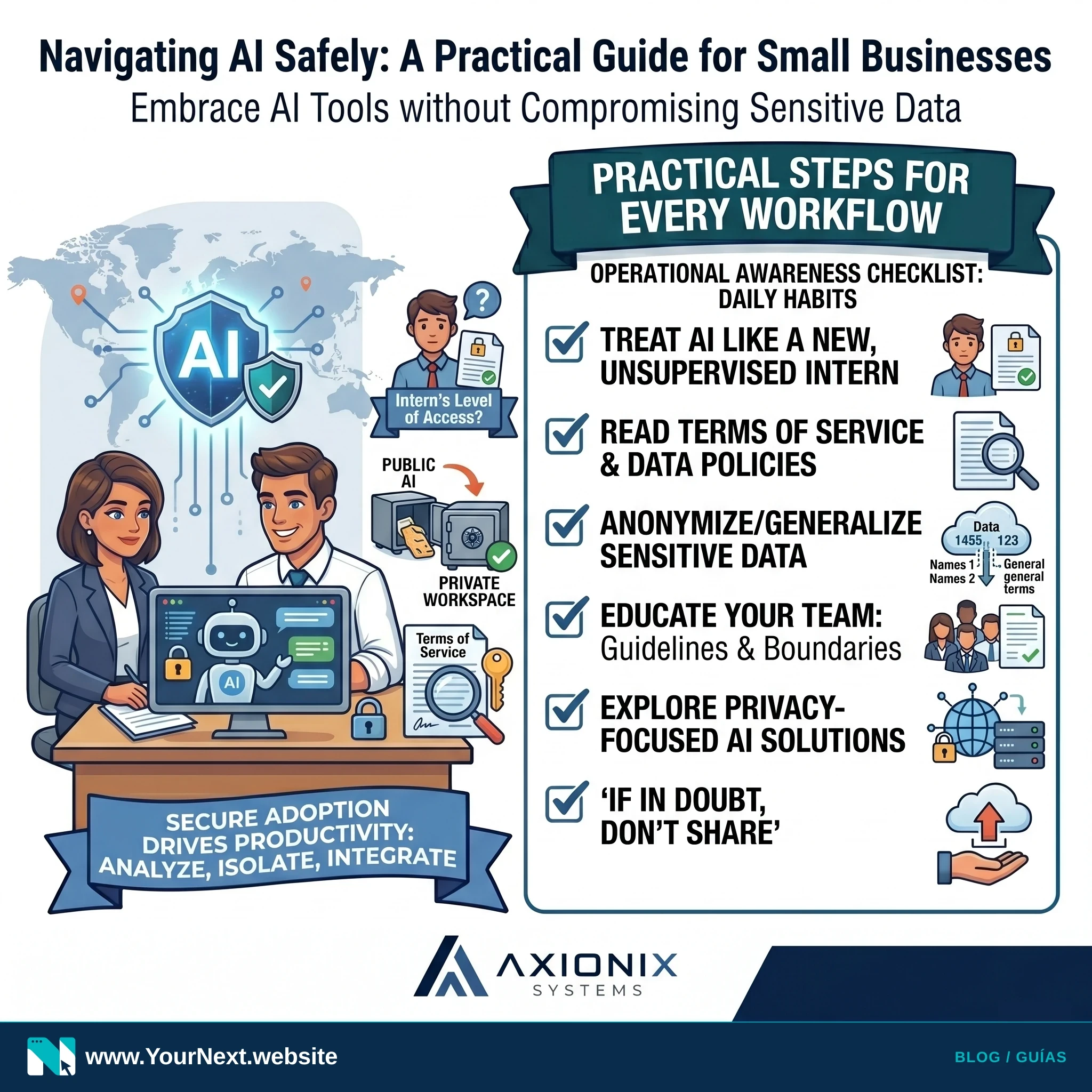
Learn how your small business can embrace AI tools for productivity without accidentally leaking sensitive customer data or company secrets.
Rafael Cortes
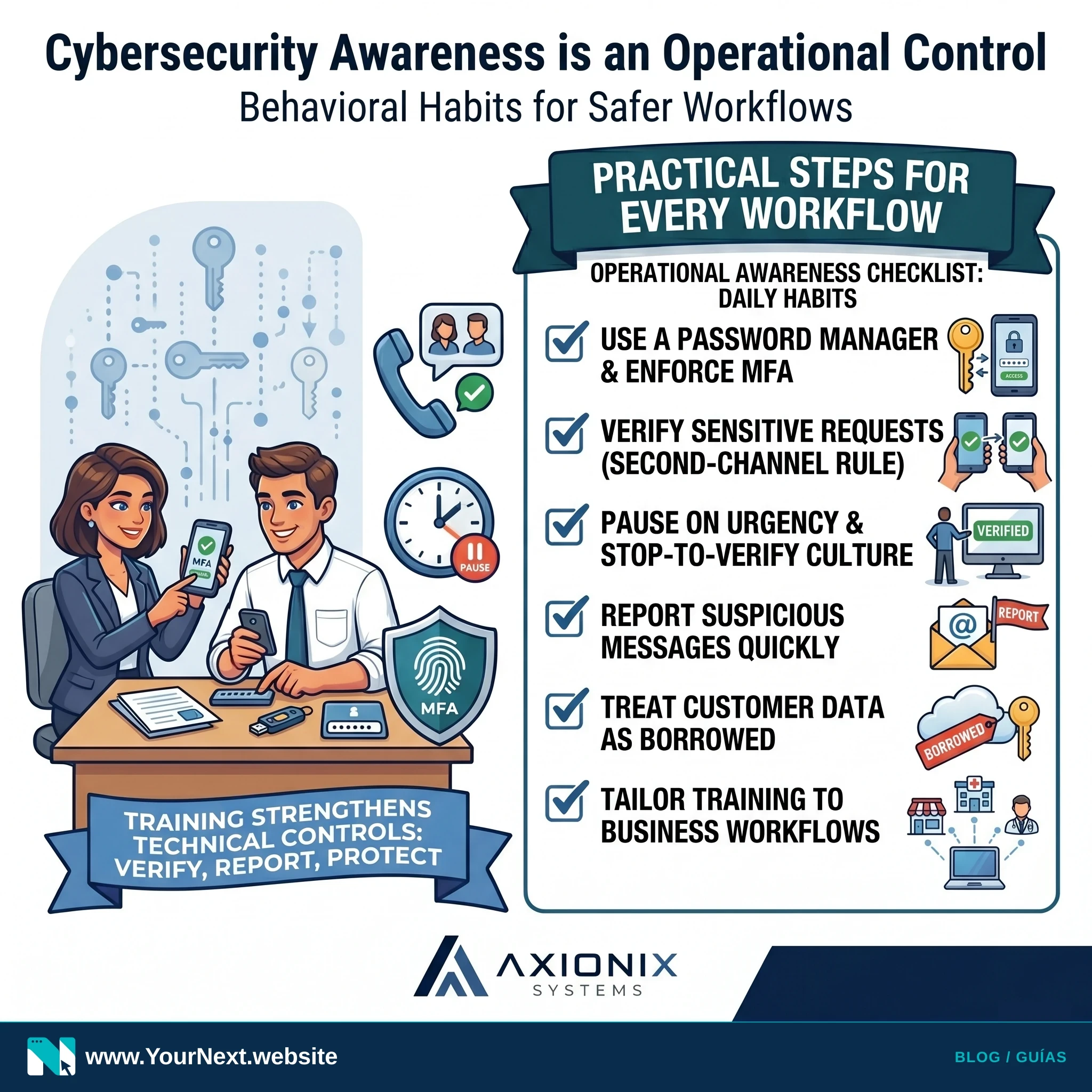
Technology can block many threats, but employees still make daily decisions that determine whether fraud, phishing, and data exposure succeed.
Rafael Cortes
A business website is often the first system customers touch. If it is neglected, the risk is not only technical; it can affect trust, continuity, and revenue.
Rafael Cortes